
WPL Summit 2024
Democracy for the 21st century
About
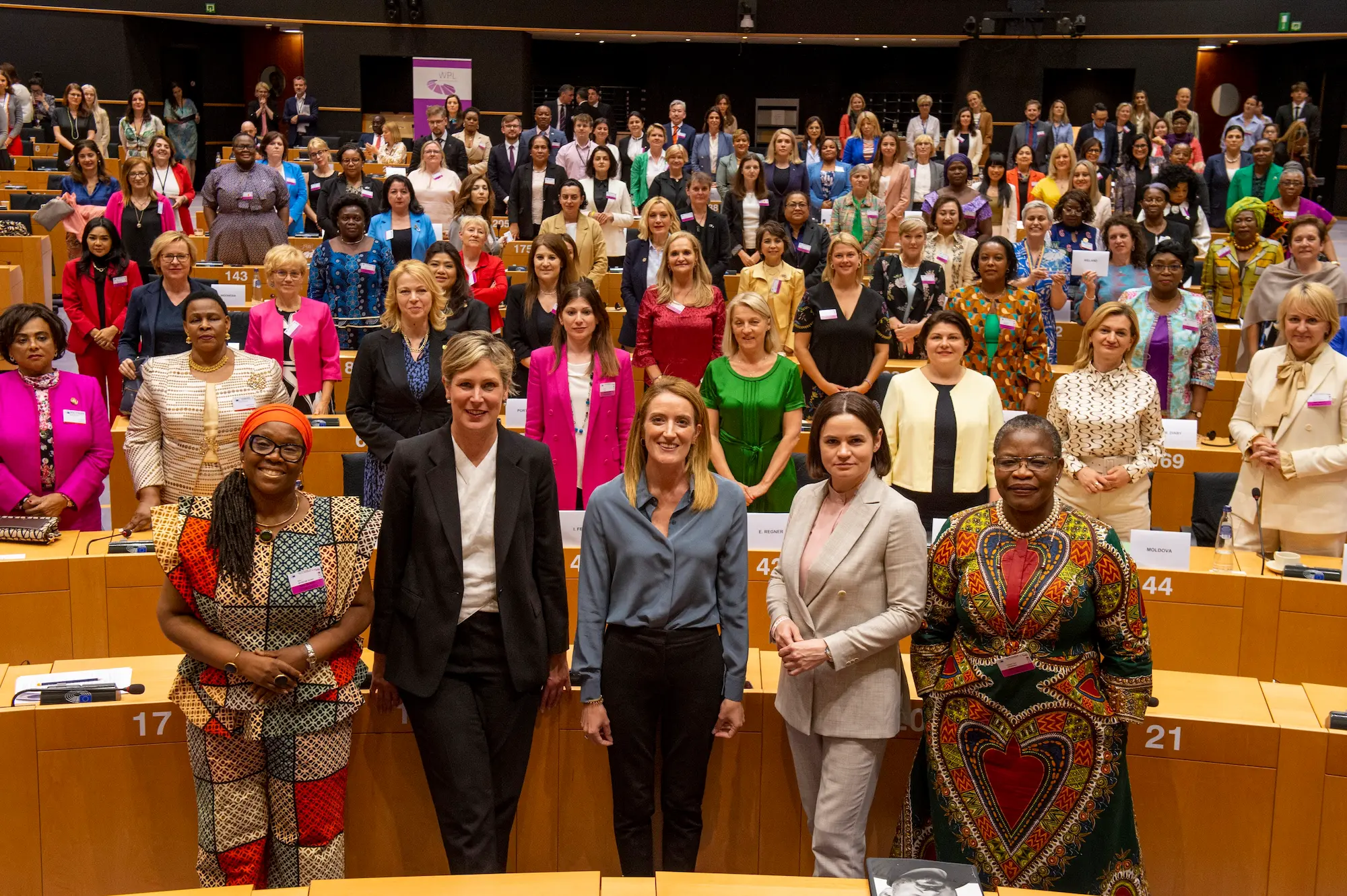
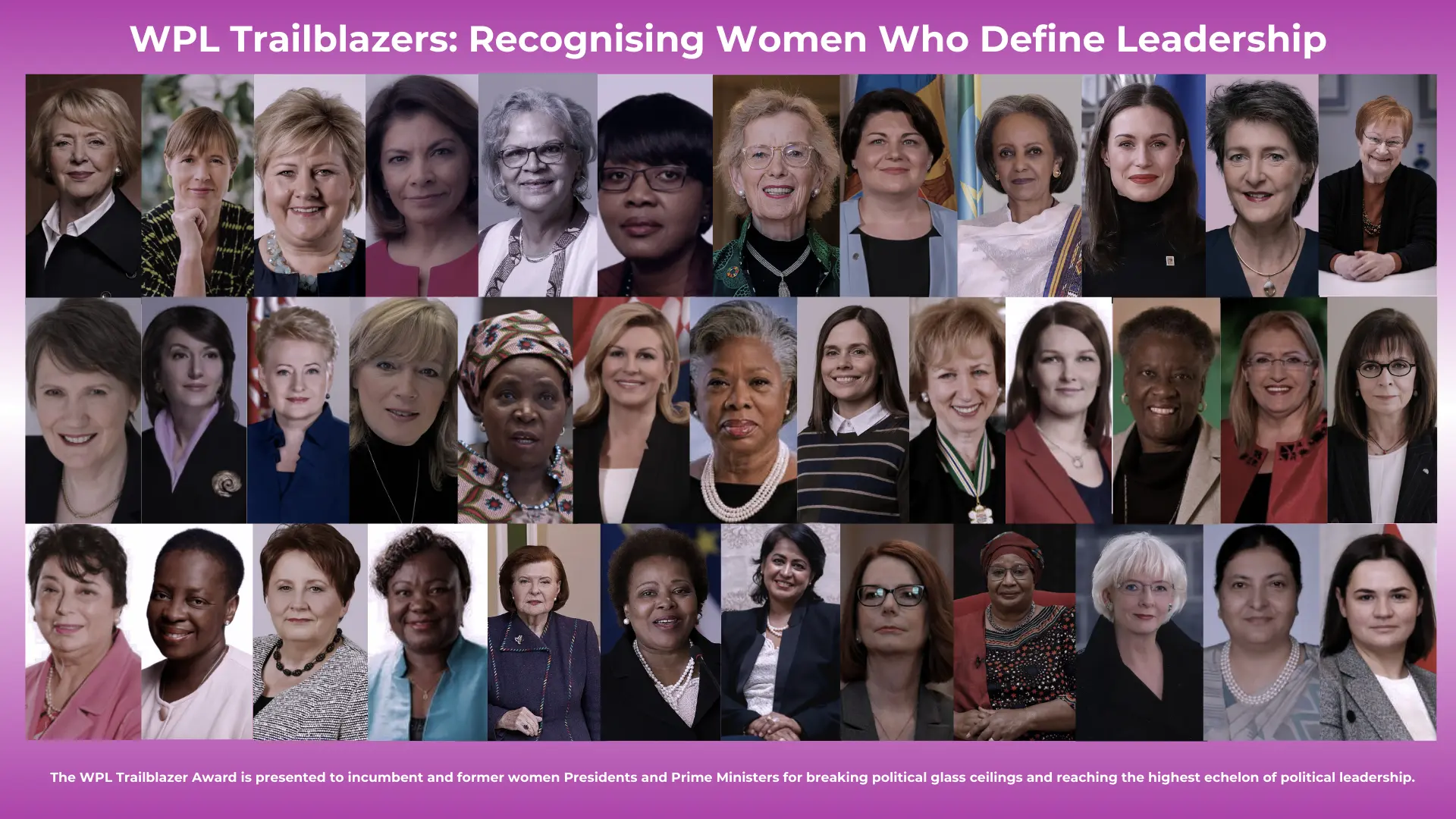
Women Political Leaders (WPL) is the global network of women politicians. The mission of WPL is to increase both the number and the influence of women in political leadership positions. WPL communities are women in political office - Presidents, Prime Ministers, Cabinet Ministers, Members of Parliament, and Mayors. WPL strives in all its activities to demonstrate the impact of more women in political leadership. To accelerate, three things are needed: communication, connection, community. At WPL, optimising the power of communication and connection builds new communities of knowledge for women political leaders everywhere. WPL believes that progress happens by convening women political leaders who have the drive and the influence to create positive change. WPL is an independent, international, post-partisan and not-for-profit association based in Brussels, Belgium. Silvana Koch-Mehrin is the Founder and President of WPL.
WPL’s mission is to increase the number and the influence of women in political office, from Presidents, Prime Ministers and Cabinet Ministers to Members of Parliament and Mayors.
WPL strives to demonstrate the positive impact of women in leadership. Progress happens by convening women political leaders who have the drive and the influence to create change: through communication, connection, and community.
WPL is an independent, international, post-partisan, not-for-profit association based in Brussels, Belgium. Silvana Koch-Mehrin is its Founder and President.
WPL Summit 2024
Democracy for the 21st century
WPL News
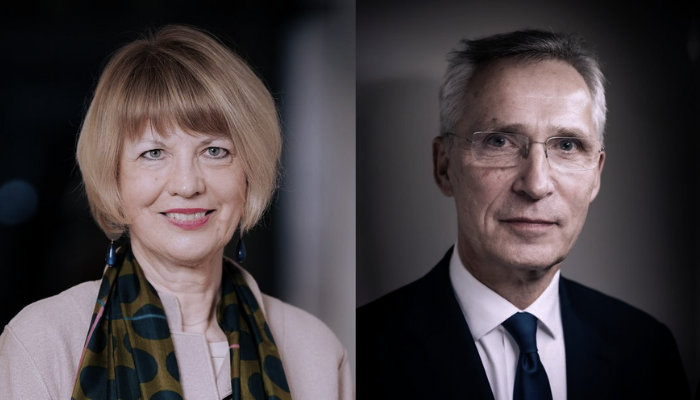
Looking back on UNGA81 – WPL Monthly Newsletter | September 2026
Looking back on UNGA81 - WPL Monthly Newsletter | September 2026 Helga Maria Schmid co-chairs the Munich Security Conference WPL Annual Representation Matters Wrap-Up Von… Read more...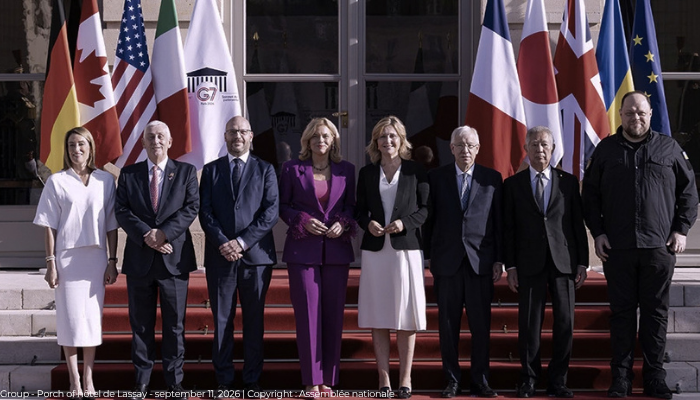
G7 Speakers’ Summit: Women Leading Parliaments
From 10–12 September, parliamentary leaders from the G7 countries, alongside the Presidents of the European and Ukrainian Parliaments, gathered in Paris for the 24th G7… Read more...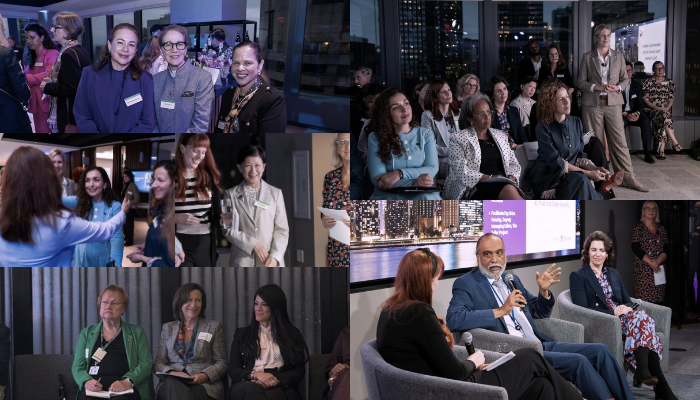
WPL Annual Representation Matters Wrap-Up After the 81st session of the UN General Assembly
Following two Representation Matters convenings during High-Level Week, WPL reflects on the conversations, voices and perspectives that shaped this year’s global gathering and what they… Read more...
Women political leaders: Advancing society
Read moreConvenings & Dialogues
WPL Summits
 Summits
WPL Summit 2025- Montenegro


We must do more to keep the promise of the Sustainable Development Goals. The SDGs are the best frame to address our most pressing challenges—from ending hunger and poverty to accelerating climate action and ensuring quality education.
Amina J. Mohammed, Deputy Secretary-General, United Nations
I am delighted to speak alongside you today at the annual Women Political Leaders Summit about the crucial issue of female leadership […] No society will be able to rise to today’s challenges if it only uses half of its living resources, of its force, of its ability to promote, in both public service and companies, diversity, which is the cornerstone of innovation.
Emmanuel Macron, President of the French Republic
So how can we make women in leadership the new normal? First, gender equality is an urgent imperative, it is at the heart of recovering better from the pandemic and achieving the Sustainable Development Goals.
Michelle Bachelet, United Nations High Commissioner for Human Rights, United Nations
We now need to make sure that our parliaments are not on global average 25% [women]. We need to make sure that our local governments do not have a limited number of women. We want to make sure that our cabinets do not have an underrepresentation of women. We need you to take action, and we need you to take this action NOW.
Phumzile Mlambo-Ngcuka, UN Under-Secretary-General Executive Director, UN Women
We must get rid of the biases which hold women back from taking on leadership roles. The Reykjavik Index for Leadership, commissioned each year by Women Political Leaders, shows that public attitudes across many countries are still far from universally positive about women in leadership.
Helen Clark, Chair of the WPL Board; UNDP Administrator (2009-2017) & Prime Minister of New Zealand (1999-2008)
Women tend to have a more inclusive leadership style than their male counterparts. A recent study showed that female leaders were more effective during the pandemic, performed better under pressure and rated more positively on most of the competences involving interpersonal skills. It is exactly those skills that are needed to rebuild our economies in a more equitable and inclusive way.
Christine Lagarde, President of the European Central Bank
We are gradually increasing the number of women in the military and also in political leadership roles. We know that when we bring different perspectives to the debate, we simply make better decisions.
Jens Stoltenberg, Secretary General, NATO
The pandemic is also a stark reminder that while women make up seventy percent of the health workforce, only an estimated 25% of leadership roles are held by women. To respond to these challenges, WHO launched the Gender Equal Health and Care Workforce Initiative […] to increase the proportion of women in health and in care leadership
Tedros Adhanom Ghebreyesus, Director-General, World Health Organization (WHO)
Women already hold more than 40% of the top positions in the European Commission. I have set a target of 50% by the end of 2024. Because our democracies are stronger when women are involved as equals.
Ursula von der Leyen, President of The European Commission
In response to the pandemic, women leaders have often invested in social services, have placed emphasis on strong welfare sectors and strong institutional capacity, which provides the right context for women leaders to exercise effective leadership. There is still a need, however, to promote women’s participation in Covid-19 decision-making bodies.
Anita Bhatia, Assistant-Secretary-General & UN Women’s Deputy Executive Director for Resource Management, UN System Coordination, Sustainability and Partnerships
To recover we need to allocate significant budgets to ensure the rights of the most vulnerable groups are at the centre of programme and policies. The key groups – which represent the majority of the population are women and young people. This requires true, compassionate, and inclusive leadership…
Aminata Touré, President of Economic Council (2019-2020), Prime Minister (2013-2014), WPL Global Ambassador for Vaccination, Senegal
We must close the gender pay gap and raise the number of women in leadership positions. We need to strengthen our welfare systems to help the career progression of women.And we must bridge the gap between male and female representation in politics, supporting female leaders across the globe.
Mario Draghi, Prime Minister, Italy